
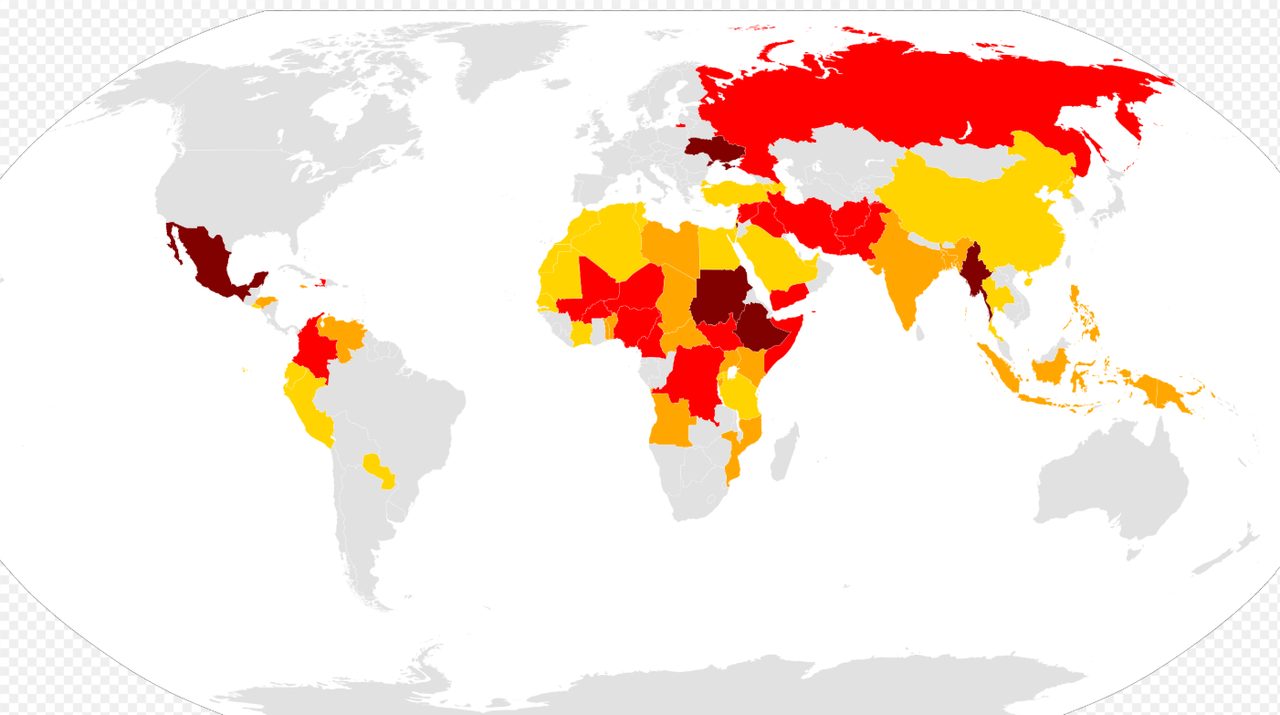
Global defence equities had quietly become one of the strongest sectors in market over the last five years. A mix of rising geopolitical tension has allowed several defence names to deliver equity returns considerably higher than their home indices.
Order books: years of revenue already sold
What links these companies is not merely growth, but the scale and durability of their contracted order books, resembling forward revenue streams. The backlog reported by Lockheed Martin is equal to more than two and a half years of their current sales. This is anchored by long cycle programmes such as the F-35 fighter, missiles and space systems. RTX carries an even larger backlog of about $251 billion, with roughly $103 billion in defence programmes and $148 billion in commercial aerospace, including substantial munitions and F135 engine orders. Northrop Grumman’s backlog stands near $86.5 billion, up from roughly $81 billion at the end of 2024. This is underpinned by strategic, long-duration programmes such as the B-21 bomber and Sentinel ICBM.
While Palantir does not report a traditional hardware backlog, it discloses remaining performance obligations of about $2.6 billion, most of which is expected to be recognised over the next three years, giving it a meaningful contracted revenue base for a pure play software business. Palantir’s stock has also attracted significant investor attention in 2025, with shares delivering strong gains and momentum as a leading AI and data analytics name amid sustained contract wins across government and commercial sectors. Recent strategic developments include expanded partnerships with global systems integrators to drive AI deployment at scale. This is followed by continued execution against a broad pipeline of U.S. federal and allied defence contracts, reinforcing both near-term revenue visibility and long-term platform adoption.
European defence primes show similarly strong revenue visibility. BAE Systems carries an order backlog of roughly $96 billion and an IFRS order book of about $72 billion as of mid-2025. This represents several years of revenue coverage across combat air, maritime, and land systems. Thales reported quarterly order intake of approximately $18.0 billion against sales of $16.4 billion, implying a book-to-bill ratio above one and continued expansion in its defence electronics order book. Dassault Aviation disclosed a consolidated backlog of around $51.7 billion, up from about $46.2 billion at the end of 2024, with roughly 90% linked to defence, which primarily constitutes of Rafale export contracts. Leonardo reported a backlog of approximately $50.6 billion. This equates to more than two and a half years of sales coverage. Rheinmetall’s total backlog has surged to about $67.6 billion. This is around 30% y-o-y growth. In India, Hindustan Aeronautics Ltd (HAL) reported an order book of roughly $22.5 billion in its FY25 annual report, equivalent to around six years of revenue visibility, underscoring the depth of domestic defence demand.
Different business models, similar tailwinds
Traditional hardware primes such as Lockheed, RTX, Northrop, BAE, and HAL are capitalintensive, programme driven businesses whose growth depends on defence budgets and platform decisions. Over the last five years, rising tensions from Ukraine to the Indo****Pacific have pushed NATO and key allies to lift spending towards or above 5**% of GDP****.** This has several European countries targeting and committing to long term procurement plans, thus driving order inflows, higher utilisation and operating leverage. These companies also tend to return large amounts of cash via dividends and buybacks, supporting total returns even where price CAGRs are more modest.
On the other hand, defence technologies and electronics players like Palantir and parts of Thales are asset light. They are scaling through software and data rather than steel and composite. Emerging market champions like HAL straddle the line between hardware and systems integration, with government backed domestic demand, localisation policies and export ambitions. This contributes to their faster growth profile in comparison to many Western incumbents.
Bottom line
Over the last five years, large defence companies across the US, Europe and India are having a quality of growth that is underwritten by record order books and long dated government contracts. The average stock has delivered a five-year CAGR several times higher than its benchmark, while carrying three to seven years of revenue visibility in backlog. For investors the combination of structural demand along with contracted cash flows makes defence look less like a cyclical trade and more like a growth sector. This is where valuations and political scrutiny now demand careful stock selection rather than a simple “buy anything with a missile” approach.
Sources: , .
Map
This article is for informational purposes only and does not constitute investment advice.